
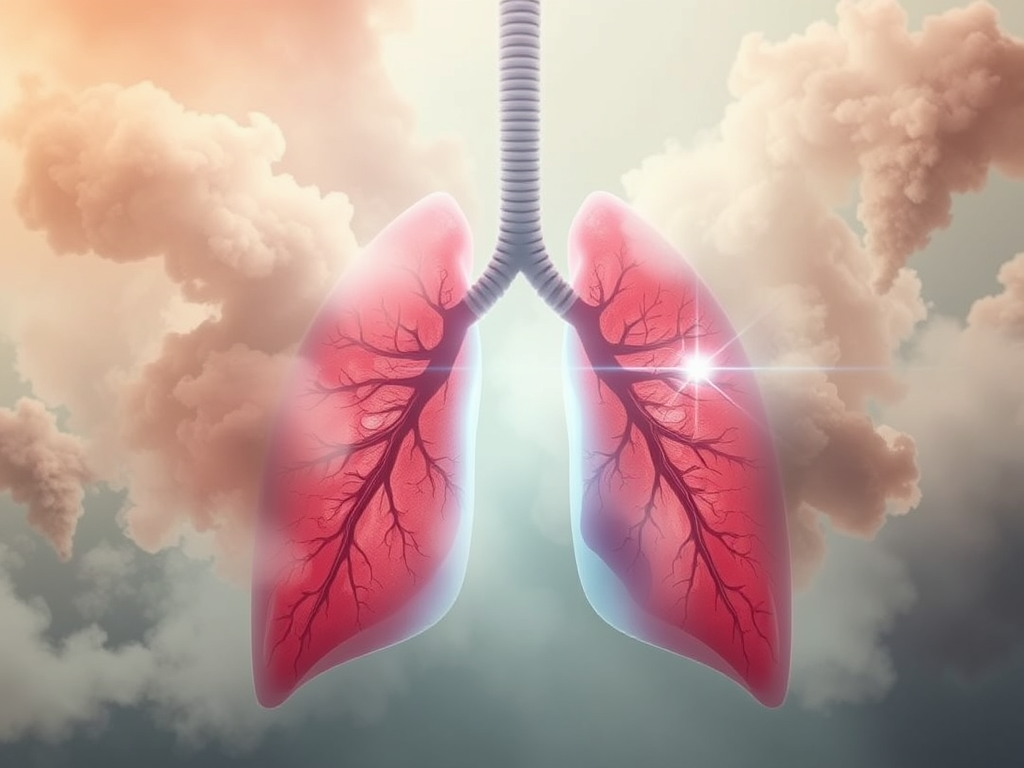
Understanding the Impact of Pollution on Lung Health
The impact of air pollution on lung health is a pressing concern, particularly in urban areas like Delhi, where industrialization and vehicular emissions have exacerbated air quality issues. Various pollutants, including particulate matter (PM), nitrogen dioxide (NO2), and sulfur dioxide (SO2), significantly affect respiratory health. Particulate matter, especially PM2.5 and PM10, consists of tiny particles that penetrate deep into the lungs, causing inflammation and respiratory issues. Studies have shown that long-term exposure to high levels of particulate matter can lead to chronic respiratory diseases, including asthma and chronic obstructive pulmonary disease (COPD).
Nitrogen dioxide is primarily produced from combustion processes in vehicles and power plants. When inhaled, NO2 can aggravate asthma and increase susceptibility to respiratory infections. Additionally, it contributes to the formation of ground-level ozone, which can further compromise lung function. Sulfur dioxide, emitted from industrial processes and burning fossil fuels, can cause irritation of the airways, leading to increased coughing and phlegm production. This pollution is particularly concerning for vulnerable populations, such as children and the elderly, who may already have compromised lung health.
Statistics relating pollution to respiratory diseases underscore this critical issue. According to recent data, the prevalence of asthma in metropolitan areas has surged, with studies indicating a correlation between elevated pollution levels and increased hospital admissions for respiratory conditions. In Delhi, research highlights a stark rise in the instances of asthma among children, reflecting the city’s declining air quality. The urgent need for effective care and preventive measures cannot be overstated, as reducing exposure to these pollutants is essential not only for improving individual health outcomes but also for mitigating the public health crisis that air pollution poses.
Ayurvedic Principles for Lung Health
Ayurveda, the ancient Indian system of medicine, places significant emphasis on the importance of lung health, recognizing the critical role of ‘Prana,’ or life force. This vital energy is essential for maintaining optimal respiratory function and overall well-being. The lungs, as a core component of the respiratory system, are responsible for the exchange of gases; hence, they play an important role in supporting Prana. Maintaining the health of the lungs is, therefore, fundamental in ensuring the proper flow of this life force throughout the body.
In Ayurveda, health is largely viewed through the lens of the three doshas: Vata, Pitta, and Kapha. Each dosha represents different elements and qualities, which can influence bodily functions. Imbalances among these doshas can compromise lung function, leading to respiratory issues. For example, an excess of Kapha can manifest as mucus buildup, causing congestion and ineffectiveness in breathing. Conversely, a Vata imbalance may lead to dryness in the lungs, affecting vital lung capacity and function. Understanding these dynamics can help in identifying individual vulnerabilities and tailoring remedies accordingly.
Ayurveda advocates a holistic approach to lung health, emphasizing diet, lifestyle modifications, and natural therapies. A healthy diet rich in antioxidants, such as fruits and vegetables, can assist in reducing oxidative stress in the lungs, promoting recovery and overall health. Incorporating warming spices like ginger and turmeric into meals can further benefit lung function by helping to clear mucus and providing anti-inflammatory properties. Additionally, adequate hydration, regular physical activity, and practices like pranayama (breath control exercises) are recommended to enhance lung capacity and promote effective breathing patterns.
Ayurvedic Tips and Remedies for Lung Care in Polluted Environments
Living in pollution-heavy environments, such as Delhi, poses significant challenges to lung health. Fortunately, Ayurvedic practices offer a holistic approach to support lung function and enhance respiratory resilience against pollution. One essential aspect of Ayurvedic lung care is diet. Incorporating specific herbs can provide substantial benefits. For instance, turmeric is renowned for its anti-inflammatory properties, which help alleviate respiratory issues. Additionally, ginger can aid in clearing mucus and improving airflow in the lungs.
An important herb, tulsi or holy basil, is also highly esteemed in Ayurveda for promoting respiratory health. Regular consumption of tulsi can help in detoxifying the lungs and strengthening the immune system. These herbs can be easily added to daily meals or taken as herbal teas to optimize lung health in polluted conditions.
Hydration plays a crucial role in maintaining lung health. It is recommended to drink adequate amounts of water throughout the day to keep the respiratory system hydrated and facilitate the expulsion of toxins. Herbal infusions, such as warm water with honey and lemon, can also promote lung function while soothing the throat.
Breathing exercises, especially Pranayama, are invaluable for lung care. Such practices involve controlled breathing techniques that enhance lung capacity and efficiency. Simple techniques like deep belly breathing or alternate nostril breathing can greatly benefit individuals facing pollution stress. Practicing these exercises regularly can help clear the lungs and improve overall respiratory function.
Finally, adopting a balanced lifestyle that includes regular physical activity, sufficient sleep, and stress management techniques contributes significantly to lung health. Engaging in activities like yoga or walking in less polluted areas can further mitigate the adverse effects of environmental pollution on the lungs. By implementing these Ayurvedic tips and remedies, individuals can enhance their lung health amidst the challenges posed by urban air quality.
Creating a Holistic Lung Care Routine
Establishing a holistic lung care routine is essential for individuals residing in areas affected by pollution, such as Delhi. This routine should integrate various Ayurvedic practices aimed at enhancing lung health while addressing the stresses imposed by environmental factors. The first step in this journey involves dietary adaptations. Incorporate fresh, seasonal fruits and vegetables that are rich in antioxidants, as they can help combat oxidative stress within the lungs. Foods such as turmeric, ginger, and garlic not only enhance immunity but also support respiratory function.
Next, consider the addition of herbal supplements known for their lung-supporting properties. Herbs like licorice root, tulsi (holy basil), and pippali (long pepper) are traditionally used in Ayurveda to improve lung capacity and function. It is advisable to consult with an Ayurvedic practitioner to receive personalized recommendations tailored to your unique constitution and health needs.
Breathing exercises, or pranayama, play a pivotal role in lung care. Techniques such as Bhastrika (bellows breath) and Nadi Shodhana (alternate nostril breathing) can enhance lung function and promote oxygenation. Dedicate a few minutes each day to these exercises; this will not only foster lung strength but also reduce stress, contributing to overall well-being.
Incorporating mindfulness practices, such as meditation or yoga, is equally vital. These practices provide benefits that extend beyond the lungs by reducing anxiety and promoting a sense of calm, enabling better lung function. Setting aside time each day for these activities can cultivate a balanced lifestyle that prioritizes lung health.
The key to a successful lung care routine is consistency. Regularly integrating these dietary changes, herbal supplements, breathing techniques, and mindfulness practices will aid in nurturing and maintaining lung health. Remember, seeking personalized advice from a qualified Ayurvedic practitioner can also provide valuable insights and adjustments to your routine, ensuring it is tailored specifically for you.